Although their adoption is hardly uniform or commonplace yet, EVs have definitely created new trends in the automotive industry. While they are sold with the promise of lower maintenance, that really only extends to the engine. The regenerative braking feature present on most EVs introduces rather different challenges and maintenance needs to the braking equation.
Regenerative braking systems largely rely on the electric motor when braking, which slows the car’s wheels and converts the kinetic energy back into electricity. It’s energy-efficient and very smooth, especially in daily urban driving, where stop-and-go is the norm. This also means that the friction brakes present on EVs are more of a backup option, and do not get used very often.
Theoretically speaking, this should be a win for EV owners, but it’s not quite that simple.
Because EVs use friction brakes less often, they are typically only engaged during emergency stops. When that happens, the brakes need to deliver full stopping power instantly, but an unexpected enemy prevents them from doing their job: corrosion and lack of heat.
For EV Brakes, Corrosion is a Real Problem
For an ICE vehicle, friction brakes are leveraged in almost every stop, which creates heat. This heat burns off any moisture and surface rust accumulated from driving through rain and snow. Because EVs don’t use their friction brakes often, the pads, rotors, and calipers can and do accumulate rust at a much faster rate—especially in humid or wintry climates.
Rotors rust prematurely, and calipers seize up due to corrosion and lack of use. Pads will have their steel backing plates rust and delaminate much more quickly, and can also wear unevenly or bind in the brackets.
Not an Impossible Problem
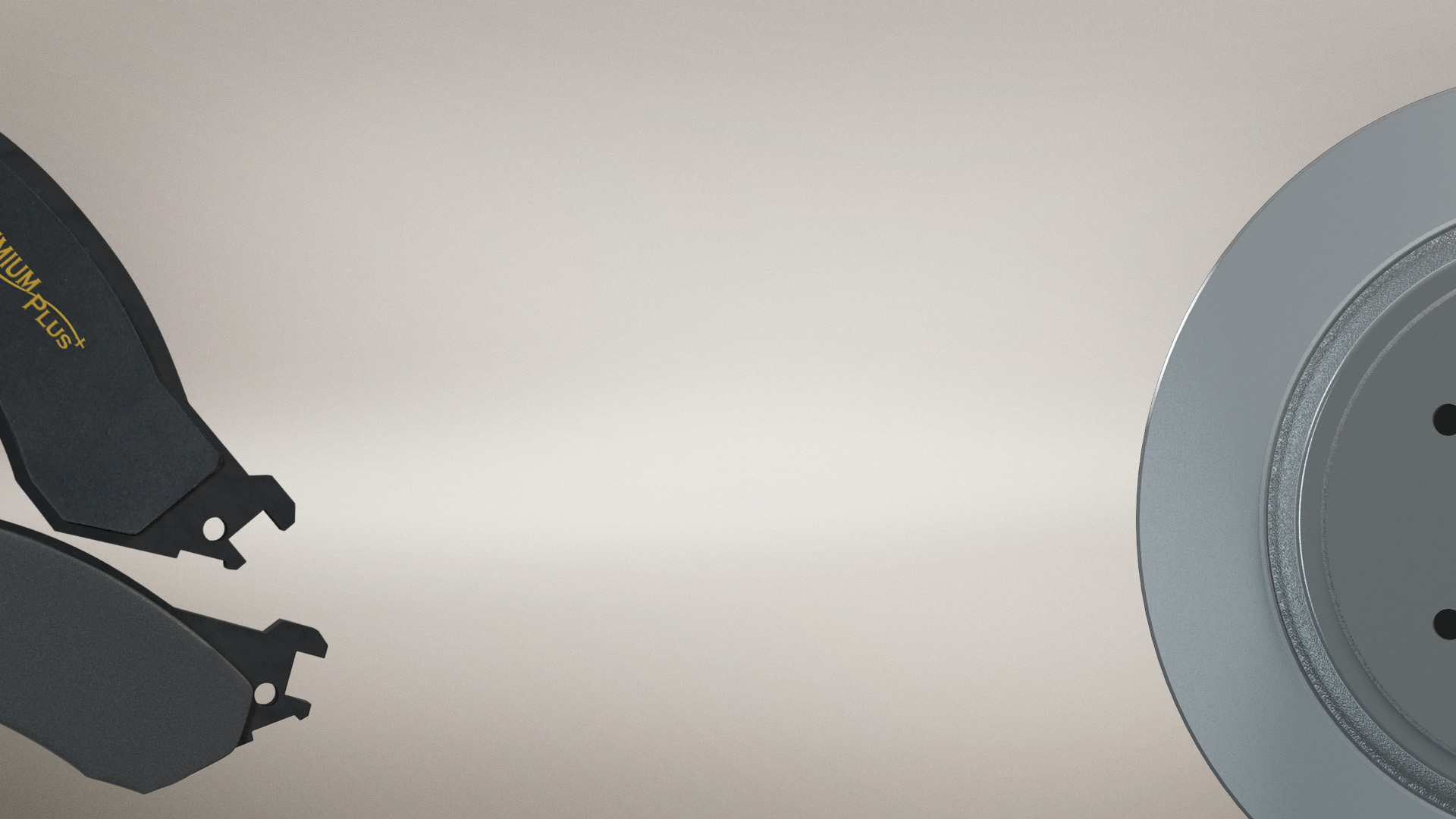
The aftermarket has adapted to these issues. Coated rotors, special brake pads, and EV-specific maintenance routines are now widely available in order to maintain the effectiveness of the last line of defense when braking.
The following hardware innovations help to combat EV brake corrosion:
- Fully coated GEOMET® rotors
- Brake pads optimized for EV performance
- Improved caliper coatings and seals to prevent sticking
More and more, these features are becoming widespread out of necessity as EV adoption grows.
Quality Brakes are Still Key
The rise of electric vehicles isn’t eliminating the need for quality brakes—rather, it demands different features and needs for compatible parts in order to guarantee success with a new kind of automobile. Inroble’s lineup of coated rotors, calipers, and pads have been specially engineered for EVs where applicable, guaranteeing the same excellent and reliable performance you might expect from much more well-used friction brakes on ICE vehicles. The next time you go in for brake service, give Inroble brakes a try.